Attendance you can trust
One tap at the door replaces the paper sheet. Every session is logged in seconds, so the record finally matches the mat.
UBa Judo Club · Bambili
The University of Bamenda's judo club trains three evenings a week in the Bambili Multi-Purpose Sports Hall — ukemi, newaza, and the long discipline of grading from white belt to dan.
Wednesday · 17:30
Tachi-waza and randori — yellow belt and above
Attendance · last 6 sessions
Beginners welcome — loaner gis in every size, and no sparring until you can fall safely.
See the full training week0
Active athletes
On the mat this term
0
Sessions logged
Since the club began
0
Average turnout
Athletes per session
0
Promotions
Graded this term
Why this club runs on data
Sign-in sheets told us who was in the room. They never told us who was drifting away, or who had quietly earned their next belt. So we rebuilt the way the club counts.
One tap at the door replaces the paper sheet. Every session is logged in seconds, so the record finally matches the mat.
Each rank has a clear session target. Athletes and coaches see the same numbers, so promotion conversations start from facts.
The club publishes turnout and progress as numbers. Names and individual records stay inside the coaching team.
 010203
Where judo actually begins
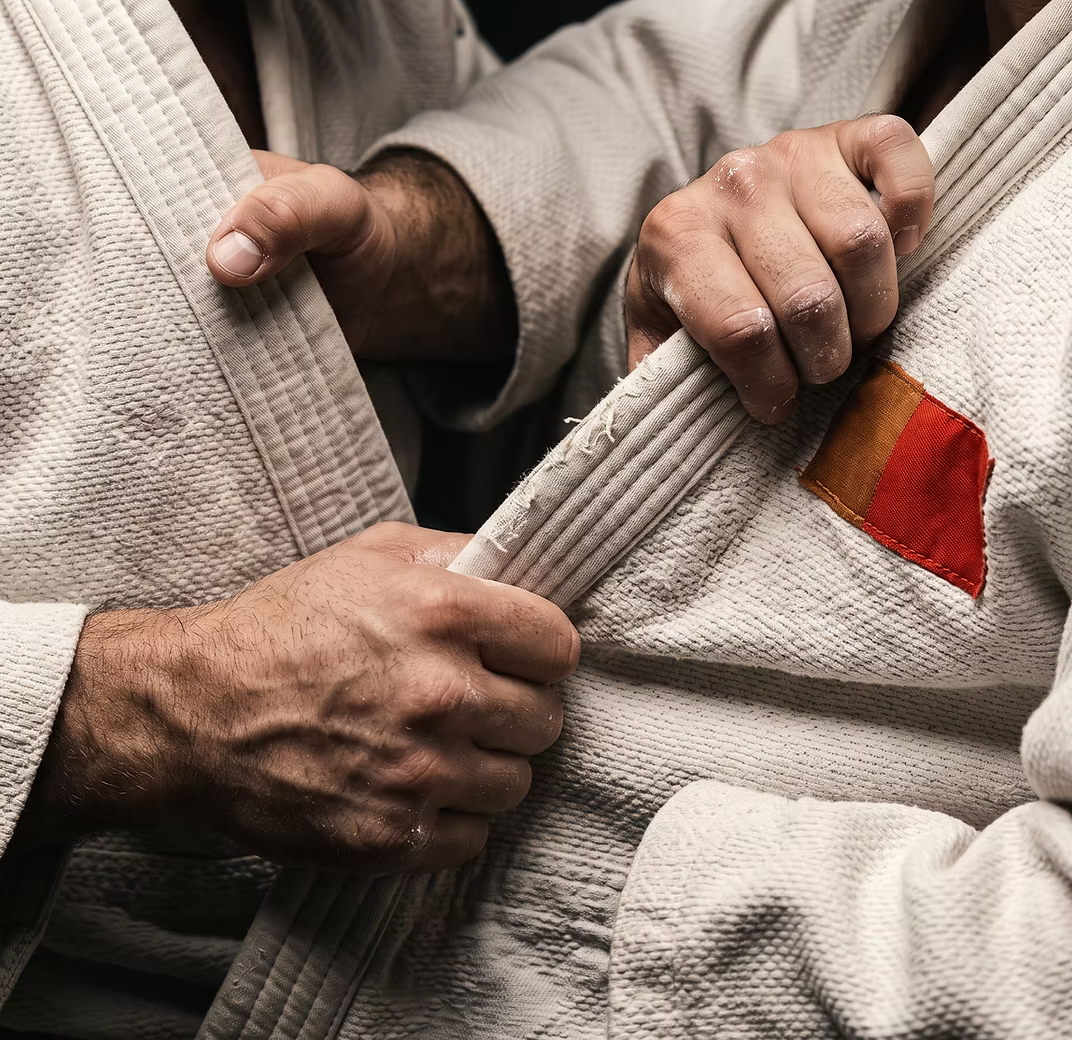
Every new member spends their opening weeks on kumi-kata — where the hands go, how much they pull, and how to read the answer. It is the least photographed part of the sport and the one that decides every randori.
Fingers inside the collar, thumb and index taking the seam. It steers the partner and builds the collar grip for every forward throw.
The second hand owns the sleeve, just below the elbow. It pulls, lifts and turns — half of the throw is decided here.
Before the entry there is a moment of quiet pull. Break the balance first; the technique only finishes what the grip started.
The training week
Monday
Ukemi and fundamentals
All ranks
17:30 – 19:00
Wednesday
Tachi-waza and randori
Yellow belt and above
17:30 – 19:00
Friday
Ne-waza and grading prep
All ranks
17:30 – 19:00
Saturday
Kata and open mat
Open session
08:00 – 09:30
Multi-Purpose Sports Hall · University of Bamenda — Bambili Campus
What is coming
Gradings, seminars, championships and the odd shared meal — the club year is open to watch.
Kyu to Dan
Attendance is the spine of grading at UBa. Reach the session target for your rank and the technical board schedules your assessment at the end of term.
6th Kyu — Rokkyu
24sessions
Ukemi, posture and rei-ho
5th Kyu — Gokyu
32sessions
First throws, grip fighting
4th Kyu — Yonkyu
40sessions
Combination attacks
3rd Kyu — Sankyu
48sessions
Ne-waza: pins and turnovers
2nd Kyu — Nikyu
56sessions
Randori tactics and counters
1st Kyu — Ikkyu
64sessions
Kata and shiai preparation
Shodan — Dan grade
80sessions
Full syllabus, first coaching hours
Grading board
Targets are a floor, not a promise. Technique, safety and mat etiquette are assessed on the day.
Open metrics
We publish how the club is breathing — turnout, growth, belts awarded. Not who was in the room. That record belongs to the athlete and their coach.
Individual attendance, absence flags and grading notes are visible only to signed-in coaches.
Turnout · last six sessions
0% of roster
Belt distribution
On the edge of the mat
Head coach · 4th Dan
Technical syllabus, grading board and the competition squad.
Ne-waza lead · 2nd Dan
Groundwork, pins and turnovers for every rank on the mat.
Athlete welfare · 1st Kyu
Onboarding, loaner gis and first-session nerves.
From the mat
“I walked in with no idea how to fall. Six weeks later I was thrown properly for the first time and it did not hurt. That is the whole club, really.”
“The session targets are printed and counted. Nobody argues about who is ready for the next belt any more — we just train and the numbers show it.”
“Saturday kata with the senior grades is the calmest hour of my week. Bambili is quiet at 8am and the hall smells of tatami.”
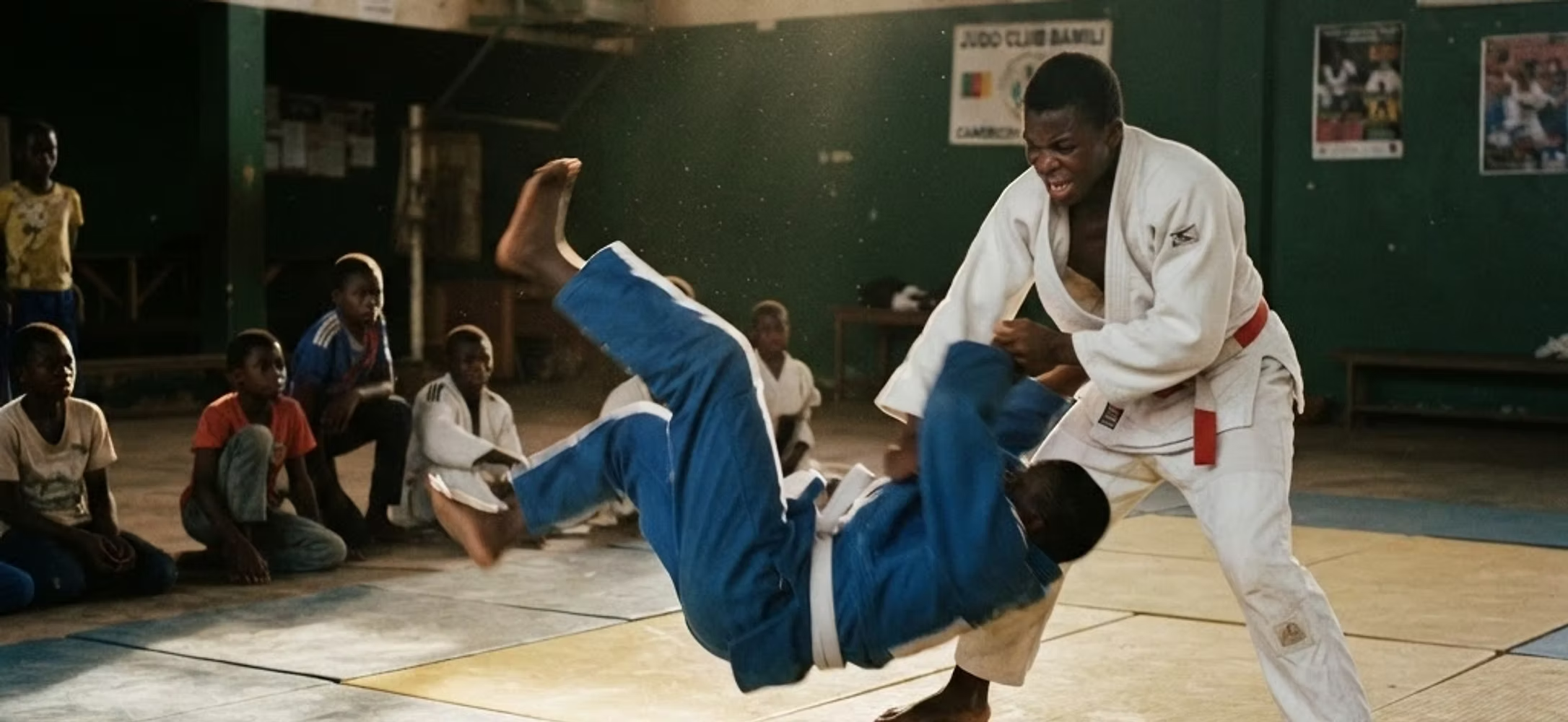
“You learn the fall before the throw. Everything else at this club follows from that.”
Bambili Multi-Purpose Sports Hall · Friday ne-waza
Recruitment · 2026 intake
Turn up in a t-shirt for any Monday session, or send your details and a coach will meet you at the door.
Before you come
No. The club keeps loaner gis for the first month, in every size from 150cm up. Bring a t-shirt and shorts for your first session and we will fit you properly afterwards.
That is most of the club. Your first month is ukemi — learning to fall safely — plus posture, grips and the etiquette of the mat. No sparring until you can fall without thinking about it.
A registration fee that covers university sports insurance, then termly club dues. Loaner equipment and grading sessions are included. Ask at any session — nobody is turned away for money.
Every rank has a session target and a technical focus, both listed on the belt pathway page. When an athlete reaches the target and the technical board signs off, they grade at the end of term.
No. Public pages show turnout counts and belt distribution only. Individual attendance, absence flags and grading notes are visible to signed-in coaches.